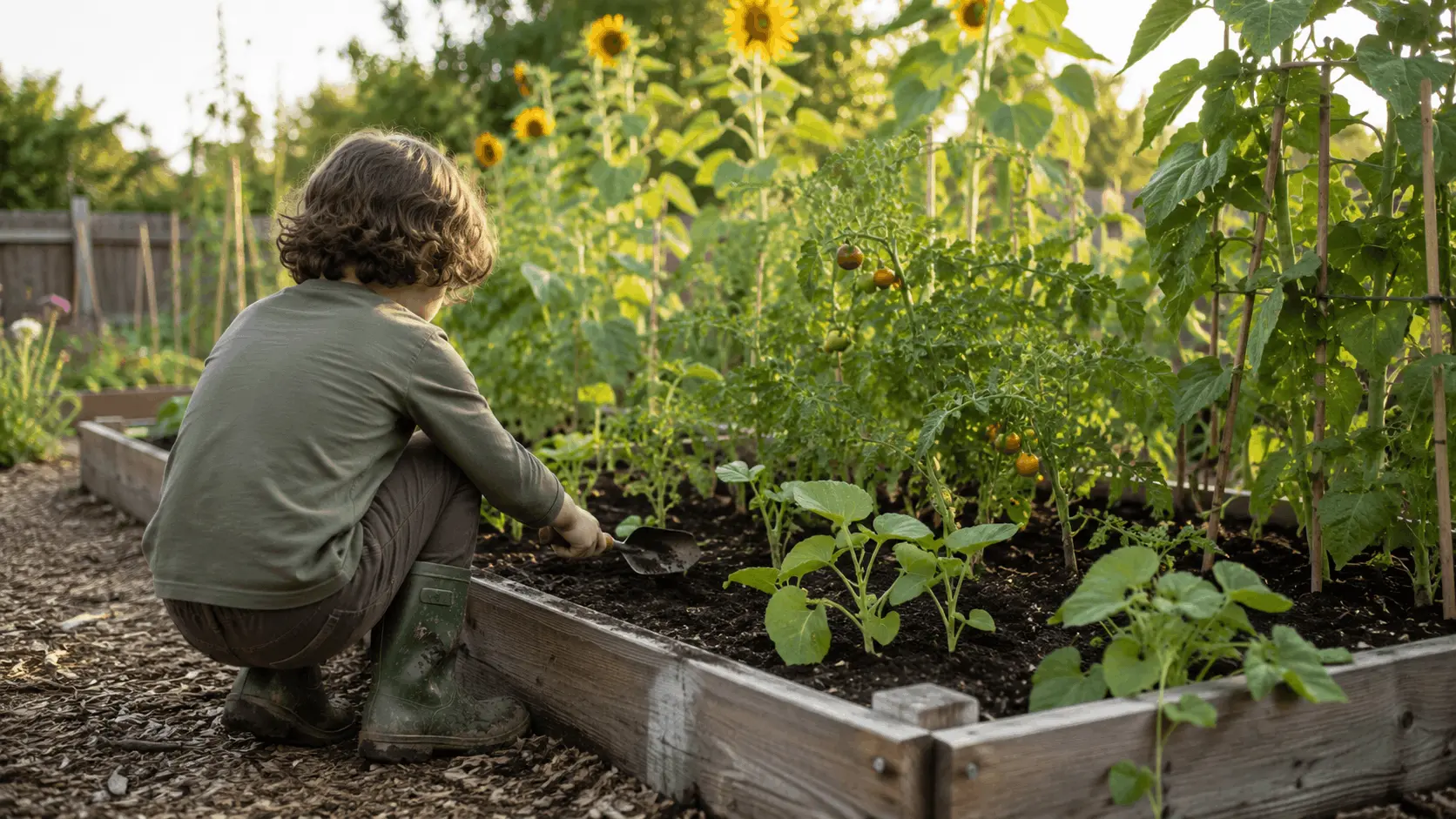
Gardening Activities for Kids: 12 Easy Ideas That Work
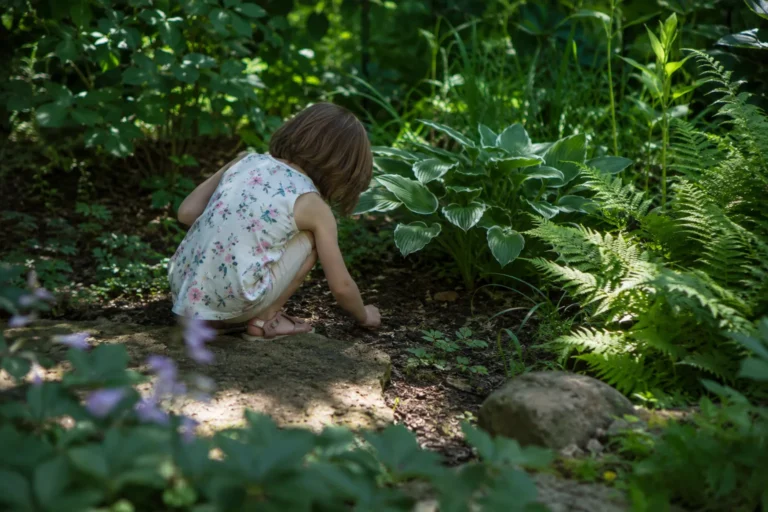
Gardening activities for kids can start with one pot, a patch of soil, or a window box on a balcony. A big yard is useful, but it is not required. Children can dig, water, hunt for bugs, plant seeds, make mud recipes, and pick food in almost any outdoor space.
The best part is how little setup most garden play needs. Hand over a small tool, point out something worth noticing, and let the garden do the rest. These 12 ideas work from toddler age up, with plenty of room to make each activity simpler or more involved.
Gardening Activities for Toddlers: Where to Start
The best garden activities for toddlers use touch, movement, and quick results. Digging, filling, pouring, watering, and carrying soil are easier to understand than a long project. Start with one small area where mess is allowed, add a few sturdy tools, and let repetition become the activity.
Give a toddler a patch of loose soil, a small spade, and a bucket. They will dig, fill, dump, and repeat for longer than most planned activities last. Add old kitchen spoons, cups, and pots, and the same patch becomes an instant mud kitchen.
A kids watering can garden makes watering feel like a real job. Let them decide which pots or beds need water. The aim is participation, not perfect technique.
A kids gardening tools seT with a trowel, hand rake, and fork is useful once they want to copy what adults are doing. Adult tools are often too heavy and awkward for small hands.
Start with a dedicated digging corner where the usual rules about clean clothes and tidy soil are relaxed. That one small setup can support digging, pouring, pretend cooking, transporting stones, and free play across the whole season.
Ages: Digging and watering from around 18 months with supervision. Simple planting tasks often work well from age 3.
Start with two tools. A lightweight watering can and a child-sized trowel cover most first garden activities. Add more only when your child starts asking for them.
Planting Seeds with Kids and Choosing What to Grow
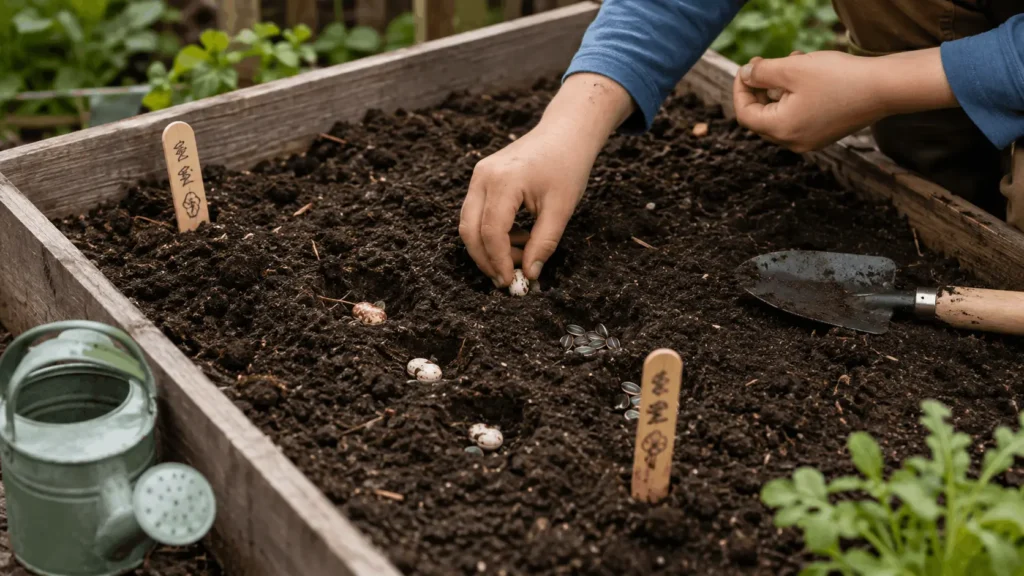
Planting seeds works well because every step is physical and visible. Children can make a hole, drop in a seed, cover it, water it, and return to check for change. Large seeds and fast-growing plants make the process easier to follow and keep the waiting manageable.
Choose seeds that small fingers can hold. Sunflowers and beans are easy to handle. Radishes germinate quickly and can be harvested early. Cherry tomatoes take longer, but the ripe fruit is easy to spot and pick.
Try these first:
- Sunflowers: Large seeds and obvious height changes.
- Bush beans: Easy to plant and satisfying to pick.
- Radishes: Fast growth and a clear harvest moment.
- Cherry tomatoes: Bright, visible fruit throughout summer.
Let children choose at least one thing to grow. Mark the spot with a stick and a handwritten label. A simple weekly height mark on paper or on a garden chart makes gradual growth easier to see.
Easy first choices: sunflowers, bush beans, radishes, and cherry tomatoes. Together they offer large seeds, visible growth, and something children can measure, pick, or eat.
Older children can take on thinning seedlings, checking soil moisture, comparing sunny and shaded areas, and recording which plants grow fastest. These jobs give them responsibility without turning the garden into a lesson plan.
Garden Scavenger Hunts and Bug Hunting
A garden scavenger hunt turns ordinary outdoor time into a focused search. Keep the list short for younger children and change it with the season. Bugs, buds, seed pods, leaf shapes, colors, textures, and signs of animal activity all work well.
In spring, look for green shoots, early insects, buds, and new leaves. In summer, search for bees, ripe fruit, spider webs, and leaves with holes. In fall, try seed pods, fungi, dry stems, fallen leaves, and changing colors.
For younger children, use six to eight concrete items. Older children can carry a checklist and add notes or sketches. For more low-prep ideas that work in gardens, parks, and woodland, read these easy nature activities for kids.
A printed hunt gives the activity a clear beginning and end. That helps children who lose momentum when a task is too open-ended.
Forest and Nature Scavenger Hunt
One printable with 16 things to find. Use it in the garden, on a walk, or at the park when open-ended exploring needs a clearer start.
View the printable →Bug hunting fits naturally alongside a scavenger hunt. Lift a flat stone carefully, inspect the underside of broad leaves, and look near damp soil or compost. Beetles, worms, roly-polies, earwigs, centipedes, snails, and caterpillars may all appear.
A bug catching kit with magnifying glass can make close observation easier. Keep handling gentle, avoid unfamiliar insects, and release everything where it was found.
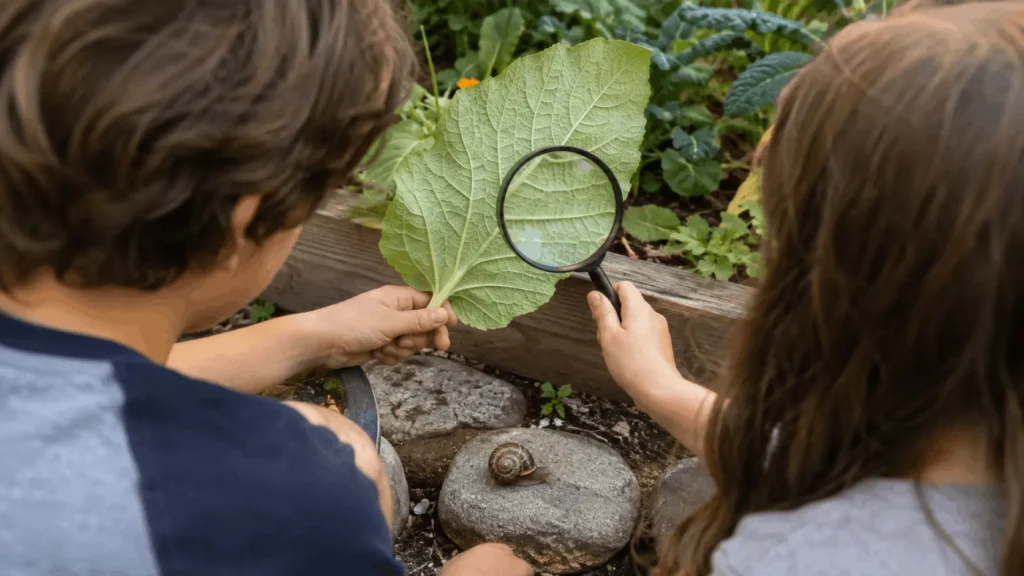
The Garden Bug Bingo printable turns each sighting into part of a game. It gives children a reason to slow down and look closely instead of rushing through the garden.
Garden Activity Printable
Garden Bug Bingo
A simple bingo card that gives children specific insects and garden creatures to look for. Use it on its own or beside a bug hunt.
View Garden Bug Bingo →Mud Play and Sensory Garden Ideas
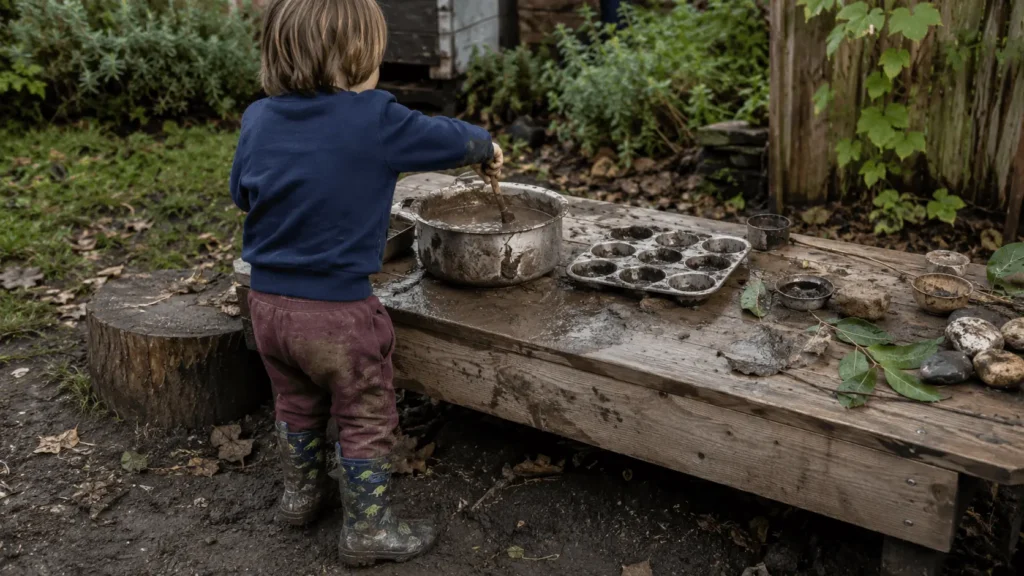
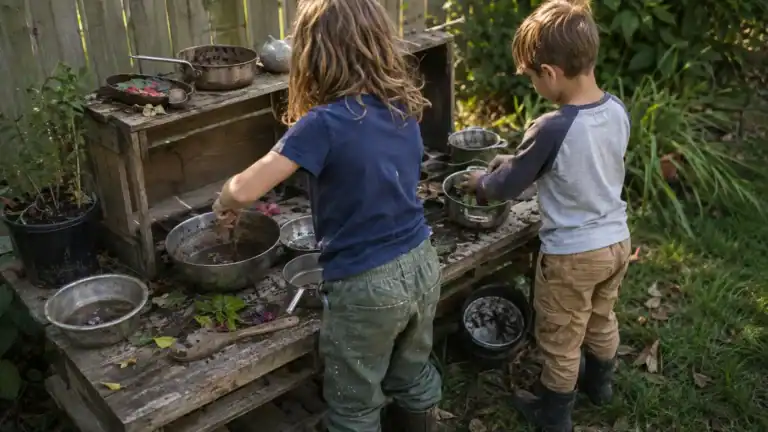
Mud play needs very little equipment. A digging area, water, and a few old kitchen items are enough for pouring, mixing, scooping, pretend cooking, and messy experiments. It works especially well for children under six because the materials can be used again and again without a fixed outcome.
Set aside a small patch of soil and add bowls, spoons, cups, a muffin tin, and a jug of water. Children quickly turn this into restaurants, potion stations, bakeries, and experiments using leaves, petals, stones, seed pods, and sticks. If this kind of play keeps getting revisited, our DIY mud kitchen guide shows how to turn that simple soil-and-water setup into a permanent backyard play area.
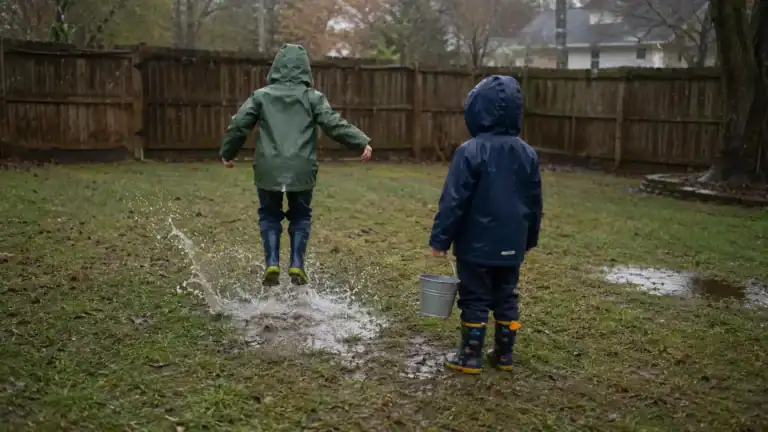
A kids waterproof one-piece rain suit makes cleanup easier when the ground is wet. Keep a towel or rinse bucket near the door so finishing the activity does not become the hardest part.
For a patio or balcony, use a plastic tub or low basin. Add water, sand, smooth stones, cups, funnels, and spoons. The same scooping and pouring play works without a full garden bed.
The mess is part of the appeal. A defined mud area also makes boundaries clearer because children know exactly where digging and mixing are allowed.
Keep a basket of old kitchen items beside the mud area. Metal bowls, wooden spoons, a muffin tin, and a small teapot often get more use than purpose-built accessories.
Creative Garden Activities for Kids
Garden art works best when it starts with materials already outside. Leaves, flowers, shadows, sticks, stones, and soil can become prints, small builds, cards, journals, and temporary pictures. Most of these activities need only paper, paint, or a tray.
1. Make leaf prints
Collect leaves with different shapes and textures. Brush paint onto one side, press the leaf firmly onto paper, and peel it away slowly. Children from about age 3 can usually repeat the process independently after one demonstration.
2. Paint plant shadows
Place paper beside a plant in direct sunlight and trace or paint the shadow. Return later and compare how the shape and position changed as the sun moved.
3. Press flowers for bookmarks or cards
Place small flowers or petals between sheets of plain paper inside a heavy book. Once dry, use them on bookmarks, greeting cards, or journal pages.
4. Build a miniature garden
Give children a tray, wide pot, or small corner of a bed. Let them build the smallest garden they can using pebbles, sticks, moss, loose petals, and fallen plant material. Twigs become fences, stones become paths, and a shallow dish can become a pond.
5. Keep a garden observation journal
Leave a notebook near the garden and record one small change each week. Draw a caterpillar, measure a sunflower, tape in a fallen leaf, or note the first ripe tomato.
For a ready-made structure, the Outdoor Badge Log Bundle includes printable logs for gardening, bug hunting, hiking, camping, beach, and forest discoveries.
Outdoor Activity Printable
Outdoor Badge Log Bundle
Six printable logs for gardening, bug hunting, hiking, camping, beach, and forest discoveries. Use one as a garden journal or continue the set across different outdoor adventures.
View the badge log bundle →Growing Vegetables with Kids: From Planting to Harvest
Growing vegetables with kids works best when they can see and handle the full process. Let them water, check leaves, notice flowers, pick ripe produce, and help prepare something simple to eat. Fast crops and easy-to-pick vegetables make the connection between effort and harvest clearer.
Strawberries, cherry tomatoes, snap peas, bush beans, and radishes are forgiving choices. They are easy to spot, simple to pick, and interesting to eat directly from the garden after washing.
Let children do the harvesting whenever possible. Picking is the payoff for weeks of checking and waiting. It also gives children a clear job with an immediate result.
Flowers can provide the same experience. Use child-safe scissors with supervision and let children cut a few stems for a jar. The result is visible in minutes.
Bring a small harvest into the kitchen. Make a simple salad, add herbs to pasta, blend berries into a smoothie, or place tomatoes on toast. The planting, growing, picking, and eating sequence makes sense without a long explanation.
Garden work also creates useful questions. Why is one pot drying faster? Why did a flower appear before the tomato? What made holes in a leaf? Follow the questions that come naturally rather than trying to cover everything at once.
For more low-cost outdoor play around the house, explore these free backyard activities for kids.
How to Keep Garden Play Easy
Garden play lasts longer when the materials stay visible and easy to reach. Keep a small basket of tools near the door, choose one area where digging is allowed, and offer jobs with a clear result. Watering one pot feels manageable. Maintaining the whole garden does not.
Rotate only what stops being used. A watering can, bucket, trowel, spoon, and shallow tray can support weeks of different play. Add a scavenger hunt, a few seeds, or a notebook when the garden needs a fresh reason to explore.
Avoid turning every discovery into a lesson. Sometimes a worm is enough. Let children look, ask, and move on.
Gardening also works well as a short weekday activity. For more ideas that fit between school and dinner, explore these backyard activities after school .
Good to Know
Frequently Asked Questions About Gardening With Kids
Gardening with kids can stay simple. These answers cover the practical questions parents often have about planting, tools, small spaces, and keeping children interested.
Final Thought
The garden gives children something real to do. They can dig, find, grow, carry, pour, pick, and eat. Most of these gardening activities for kids need little planning and almost no budget.
Start with one small setup: a digging corner, two fast-growing seeds, or a six-item garden hunt. Once children know the space belongs to them too, they usually find the next activity themselves.
For seasonal ideas beyond the garden, read these fall outdoor activities for kids.